Three universal filters for designing user friendly directory structures
The logical structure of the site - a map on which users create routes to achieve their goals.
The literature on interaction design pays a lot of attention to the visual component of the project and practically does not consider the process of creating an information architecture. In this article, I offer you a simple algorithm for creating a user friendly product catalog structure.
The convenience of future navigation depends on the answers to a number of questions:
')
Designing the directory structure is best to start with the definition of variables that affect the effectiveness of future navigation. For the product catalog, these variables are:
The starting point in the development of the catalog structure is the range of products. In some cases, to create a catalog much less often than many developers and online store owners would like to group products according to a certain criterion.
The trouble is that the same goods can be grouped according to completely different criteria.
Take as an example paint products. To group items into categories, it is permissible to use the following criteria:
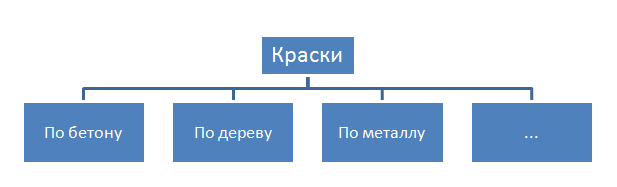
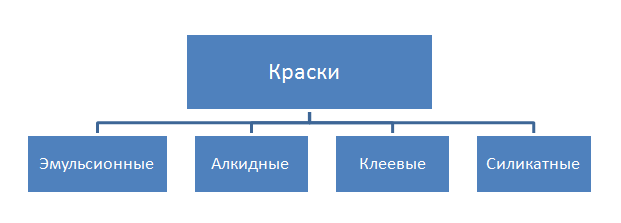
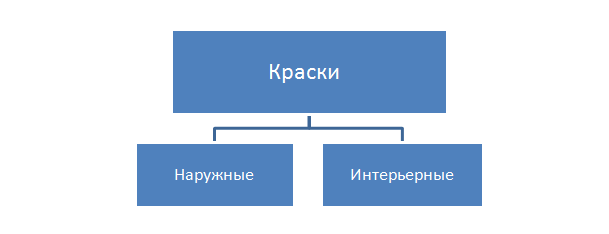
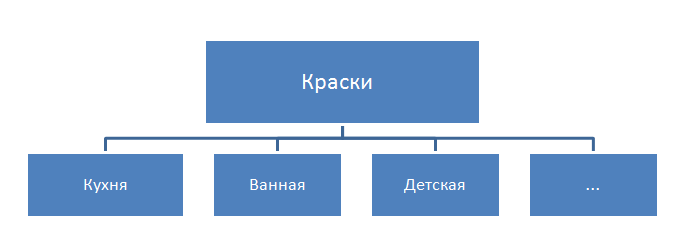
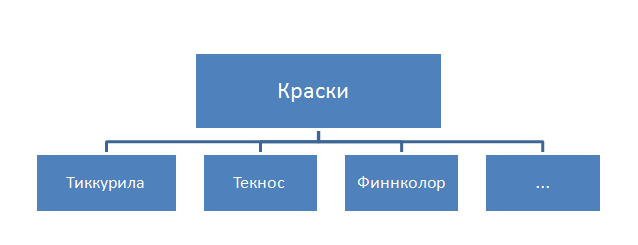
Which option for your users will be more understandable and convenient? Without using the second filter (user classification ideas), there is no answer to this question.
The representation of users about products is the second filter (after the assortment) used in designing the structure of the product catalog.
What your users think about your products is much more important than what you think about them. The classification of goods, which coincides with the mental model of users, ensures maximum efficiency.
It should be remembered that different segments of customers may perceive the same goods in different ways. In this case, you should focus on the most promising group. Let's look at how this works in our paint example. Among buyers of paints, we conventionally distinguish 3 segments:

We communicate with the client and find out that the 2nd segment of buyers is most attractive for business. On it we stop.
An ideal example of understanding its users is demonstrated by Adidas.
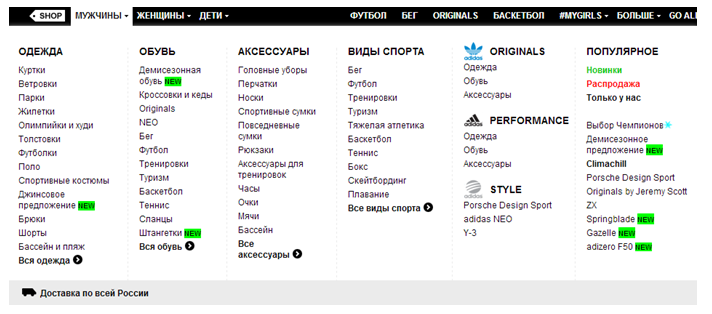
Clothing is grouped according to the user's mental models. Own (internal) product classification is presented, but not imposed.
You can use interviews with users or vendors of the company, as well as analysis of classification trends in the area of interest, to obtain information about user-defined criteria for product classification.
Interviews with users, seller survey
Interviews with potential users of the catalog can be both the easiest and most difficult way to obtain the necessary information. It is very important not to impose your opinion on the user, but to hear it.
Wrong:
“It is better to group these products: by the type of painted surfaces (wood, metal, concrete, etc.); basis (acrylic, alkyd and so on); use options (external and internal); cost (budget, medium segment, premium) or brand? "
We force the user to choose from our classification options. We do not want to hear about the classification criteria available to the user.
Right:
“Distribute these products in groups. Name the group.
In the last formulation, many will find parallels with the well-known method of cards and will be absolutely right.
A good idea of the user selection criteria also provides communication with sellers.
Analysis of the leaders of the region and competitors
The analysis of leaders and competitors is used to identify general trends in the classification of goods. There is a fairly high probability that the general trend reflects the views of most users. Although in highly specialized subjects - trends may be the result of blindly copying a turnkey solution of a single company.
The resulting structure of the analysis of user preferences structure needs a final adjustment based on the statistics of search engines.
The final wording of the names of sections and product categories is selected by analyzing the popularity and competition of search queries.
Sections, grouped by one criterion, may be named differently. Popularity statistics searches wordstat.yandex.ru allows you to choose the most popular wording for SEO optimization, without which, unfortunately, many shops can not do.
The literature on interaction design pays a lot of attention to the visual component of the project and practically does not consider the process of creating an information architecture. In this article, I offer you a simple algorithm for creating a user friendly product catalog structure.
The convenience of future navigation depends on the answers to a number of questions:
')
- Which sections should be in the product catalog and why?
- Which sections of the catalog will be the landing pages, and what are the visitors' conversion routes?
- Can the same product be simultaneously in several sections of the catalog?
Designing the directory structure is best to start with the definition of variables that affect the effectiveness of future navigation. For the product catalog, these variables are:
- range;
- custom mental models;
- search queries specificity.
Assortment of goods
The starting point in the development of the catalog structure is the range of products. In some cases, to create a catalog much less often than many developers and online store owners would like to group products according to a certain criterion.
The trouble is that the same goods can be grouped according to completely different criteria.
Take as an example paint products. To group items into categories, it is permissible to use the following criteria:
- type of painted surfaces (wood, metal, concrete, etc.);
- basis (emulsion, alkyd and so on);
- use cases (external and internal);
- appointment (paints for baths, baths, nurseries, kitchens, wallpapers, ceilings);
- brand
Which option for your users will be more understandable and convenient? Without using the second filter (user classification ideas), there is no answer to this question.
Custom mental models
The representation of users about products is the second filter (after the assortment) used in designing the structure of the product catalog.
What your users think about your products is much more important than what you think about them. The classification of goods, which coincides with the mental model of users, ensures maximum efficiency.
It should be remembered that different segments of customers may perceive the same goods in different ways. In this case, you should focus on the most promising group. Let's look at how this works in our paint example. Among buyers of paints, we conventionally distinguish 3 segments:
We communicate with the client and find out that the 2nd segment of buyers is most attractive for business. On it we stop.
An ideal example of understanding its users is demonstrated by Adidas.
Clothing is grouped according to the user's mental models. Own (internal) product classification is presented, but not imposed.
Ways to get information about custom criteria
You can use interviews with users or vendors of the company, as well as analysis of classification trends in the area of interest, to obtain information about user-defined criteria for product classification.
Interviews with users, seller survey
Interviews with potential users of the catalog can be both the easiest and most difficult way to obtain the necessary information. It is very important not to impose your opinion on the user, but to hear it.
Wrong:
“It is better to group these products: by the type of painted surfaces (wood, metal, concrete, etc.); basis (acrylic, alkyd and so on); use options (external and internal); cost (budget, medium segment, premium) or brand? "
We force the user to choose from our classification options. We do not want to hear about the classification criteria available to the user.
Right:
“Distribute these products in groups. Name the group.
In the last formulation, many will find parallels with the well-known method of cards and will be absolutely right.
A good idea of the user selection criteria also provides communication with sellers.
Analysis of the leaders of the region and competitors
The analysis of leaders and competitors is used to identify general trends in the classification of goods. There is a fairly high probability that the general trend reflects the views of most users. Although in highly specialized subjects - trends may be the result of blindly copying a turnkey solution of a single company.
The resulting structure of the analysis of user preferences structure needs a final adjustment based on the statistics of search engines.
Search queries
The final wording of the names of sections and product categories is selected by analyzing the popularity and competition of search queries.
Sections, grouped by one criterion, may be named differently. Popularity statistics searches wordstat.yandex.ru allows you to choose the most popular wording for SEO optimization, without which, unfortunately, many shops can not do.
Source: https://habr.com/ru/post/221257/
All Articles